
 https://www.letsgowild.co.uk/wp-content/uploads/2017/10/barbastel.jpg
231
350
Gaily
https://www.letsgowild.co.uk/wp-content/uploads/lgw-header-img.png
Gaily2017-10-31 18:25:152021-09-19 10:44:31Bat – Barbastelle
https://www.letsgowild.co.uk/wp-content/uploads/2017/10/barbastel.jpg
231
350
Gaily
https://www.letsgowild.co.uk/wp-content/uploads/lgw-header-img.png
Gaily2017-10-31 18:25:152021-09-19 10:44:31Bat – Barbastelle https://www.letsgowild.co.uk/wp-content/uploads/2017/10/bechsteins17.jpg
232
350
Gaily
https://www.letsgowild.co.uk/wp-content/uploads/lgw-header-img.png
Gaily2017-10-31 18:19:312021-09-19 10:44:31Bat – Bechstein’s
https://www.letsgowild.co.uk/wp-content/uploads/2017/10/bechsteins17.jpg
232
350
Gaily
https://www.letsgowild.co.uk/wp-content/uploads/lgw-header-img.png
Gaily2017-10-31 18:19:312021-09-19 10:44:31Bat – Bechstein’s https://www.letsgowild.co.uk/wp-content/uploads/2017/10/brandts15.jpg
248
350
Gaily
https://www.letsgowild.co.uk/wp-content/uploads/lgw-header-img.png
Gaily2017-10-31 18:13:182021-09-19 10:44:31Bat – Brandt’s
https://www.letsgowild.co.uk/wp-content/uploads/2017/10/brandts15.jpg
248
350
Gaily
https://www.letsgowild.co.uk/wp-content/uploads/lgw-header-img.png
Gaily2017-10-31 18:13:182021-09-19 10:44:31Bat – Brandt’s https://www.letsgowild.co.uk/wp-content/uploads/2017/10/brownlong09.jpg
233
350
Gaily
https://www.letsgowild.co.uk/wp-content/uploads/lgw-header-img.png
Gaily2017-10-31 17:21:552021-09-19 10:44:32Bat – Brown Long-Eared
https://www.letsgowild.co.uk/wp-content/uploads/2017/10/brownlong09.jpg
233
350
Gaily
https://www.letsgowild.co.uk/wp-content/uploads/lgw-header-img.png
Gaily2017-10-31 17:21:552021-09-19 10:44:32Bat – Brown Long-Eared https://www.letsgowild.co.uk/wp-content/uploads/2017/10/Common-Pipistrelle.jpg
523
700
Gaily
https://www.letsgowild.co.uk/wp-content/uploads/lgw-header-img.png
Gaily2017-10-30 19:43:502021-09-19 10:44:32Bat – Common Pipistrelle
https://www.letsgowild.co.uk/wp-content/uploads/2017/10/Common-Pipistrelle.jpg
523
700
Gaily
https://www.letsgowild.co.uk/wp-content/uploads/lgw-header-img.png
Gaily2017-10-30 19:43:502021-09-19 10:44:32Bat – Common Pipistrelle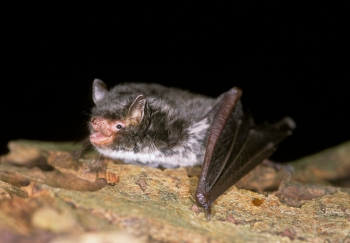 https://www.letsgowild.co.uk/wp-content/uploads/2017/10/daubentons10.jpg
243
350
Gaily
https://www.letsgowild.co.uk/wp-content/uploads/lgw-header-img.png
Gaily2017-10-30 19:39:132021-09-19 10:44:32Bat – Daubenton
https://www.letsgowild.co.uk/wp-content/uploads/2017/10/daubentons10.jpg
243
350
Gaily
https://www.letsgowild.co.uk/wp-content/uploads/lgw-header-img.png
Gaily2017-10-30 19:39:132021-09-19 10:44:32Bat – Daubenton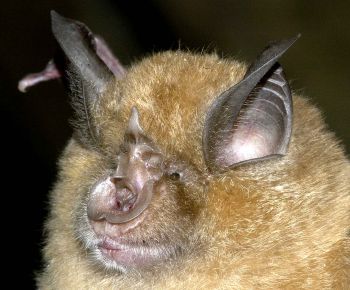 https://www.letsgowild.co.uk/wp-content/uploads/2017/10/GreaterHorseshoe.jpg
290
350
Gaily
https://www.letsgowild.co.uk/wp-content/uploads/lgw-header-img.png
Gaily2017-10-30 19:36:252021-09-19 10:44:32Bat – Greater Horseshoe
https://www.letsgowild.co.uk/wp-content/uploads/2017/10/GreaterHorseshoe.jpg
290
350
Gaily
https://www.letsgowild.co.uk/wp-content/uploads/lgw-header-img.png
Gaily2017-10-30 19:36:252021-09-19 10:44:32Bat – Greater Horseshoe https://www.letsgowild.co.uk/wp-content/uploads/2017/10/GreyLongEared.jpg
231
350
Gaily
https://www.letsgowild.co.uk/wp-content/uploads/lgw-header-img.png
Gaily2017-10-30 19:32:592021-09-19 10:44:32Bat – Grey Long Eared
https://www.letsgowild.co.uk/wp-content/uploads/2017/10/GreyLongEared.jpg
231
350
Gaily
https://www.letsgowild.co.uk/wp-content/uploads/lgw-header-img.png
Gaily2017-10-30 19:32:592021-09-19 10:44:32Bat – Grey Long Eared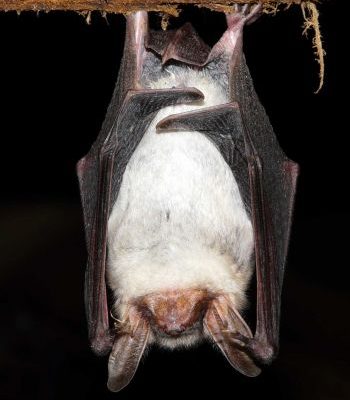 https://www.letsgowild.co.uk/wp-content/uploads/2017/10/GreaterMouseEared.jpg
466
350
Gaily
https://www.letsgowild.co.uk/wp-content/uploads/lgw-header-img.png
Gaily2017-10-30 19:29:452021-09-19 10:44:32Bat – Greater Mouse Eared
https://www.letsgowild.co.uk/wp-content/uploads/2017/10/GreaterMouseEared.jpg
466
350
Gaily
https://www.letsgowild.co.uk/wp-content/uploads/lgw-header-img.png
Gaily2017-10-30 19:29:452021-09-19 10:44:32Bat – Greater Mouse Eared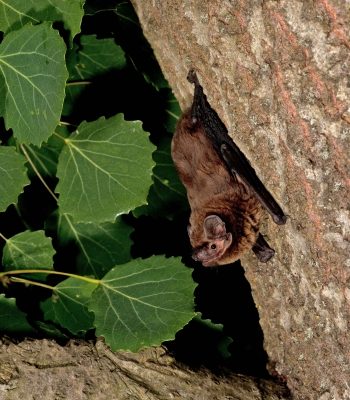 https://www.letsgowild.co.uk/wp-content/uploads/2017/10/leislers11.jpg
525
350
Gaily
https://www.letsgowild.co.uk/wp-content/uploads/lgw-header-img.png
Gaily2017-10-30 19:27:202021-09-19 10:44:32Bat – Leisler’s
https://www.letsgowild.co.uk/wp-content/uploads/2017/10/leislers11.jpg
525
350
Gaily
https://www.letsgowild.co.uk/wp-content/uploads/lgw-header-img.png
Gaily2017-10-30 19:27:202021-09-19 10:44:32Bat – Leisler’s https://www.letsgowild.co.uk/wp-content/uploads/2017/10/pipistrelle.jpg
262
350
Gaily
https://www.letsgowild.co.uk/wp-content/uploads/lgw-header-img.png
Gaily2017-10-30 19:19:042021-09-19 10:44:32Bat – Nathusius Pipistrelle
https://www.letsgowild.co.uk/wp-content/uploads/2017/10/pipistrelle.jpg
262
350
Gaily
https://www.letsgowild.co.uk/wp-content/uploads/lgw-header-img.png
Gaily2017-10-30 19:19:042021-09-19 10:44:32Bat – Nathusius Pipistrelle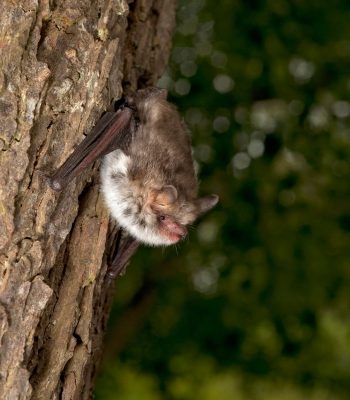 https://www.letsgowild.co.uk/wp-content/uploads/2017/10/natterers14.jpg
489
350
Gaily
https://www.letsgowild.co.uk/wp-content/uploads/lgw-header-img.png
Gaily2017-10-30 19:12:362021-09-19 10:44:32Bat – Natterer’s
https://www.letsgowild.co.uk/wp-content/uploads/2017/10/natterers14.jpg
489
350
Gaily
https://www.letsgowild.co.uk/wp-content/uploads/lgw-header-img.png
Gaily2017-10-30 19:12:362021-09-19 10:44:32Bat – Natterer’s https://www.letsgowild.co.uk/wp-content/uploads/2017/10/Lesserhorseshoe_12.jpg
512
350
Gaily
https://www.letsgowild.co.uk/wp-content/uploads/lgw-header-img.png
Gaily2017-10-30 19:04:192021-09-19 10:44:32Bat – Lesser Horseshoe
https://www.letsgowild.co.uk/wp-content/uploads/2017/10/Lesserhorseshoe_12.jpg
512
350
Gaily
https://www.letsgowild.co.uk/wp-content/uploads/lgw-header-img.png
Gaily2017-10-30 19:04:192021-09-19 10:44:32Bat – Lesser Horseshoe https://www.letsgowild.co.uk/wp-content/uploads/2017/10/Noctule.jpg
466
350
Gaily
https://www.letsgowild.co.uk/wp-content/uploads/lgw-header-img.png
Gaily2017-10-30 19:01:572021-09-19 10:44:32Bat – Noctule
https://www.letsgowild.co.uk/wp-content/uploads/2017/10/Noctule.jpg
466
350
Gaily
https://www.letsgowild.co.uk/wp-content/uploads/lgw-header-img.png
Gaily2017-10-30 19:01:572021-09-19 10:44:32Bat – Noctule https://www.letsgowild.co.uk/wp-content/uploads/2017/10/serotine13.jpg
222
350
Gaily
https://www.letsgowild.co.uk/wp-content/uploads/lgw-header-img.png
Gaily2017-10-30 18:50:182021-09-19 10:44:32Bat – Serotine
https://www.letsgowild.co.uk/wp-content/uploads/2017/10/serotine13.jpg
222
350
Gaily
https://www.letsgowild.co.uk/wp-content/uploads/lgw-header-img.png
Gaily2017-10-30 18:50:182021-09-19 10:44:32Bat – Serotine https://www.letsgowild.co.uk/wp-content/uploads/2017/10/whiskered.jpg
244
350
Gaily
https://www.letsgowild.co.uk/wp-content/uploads/lgw-header-img.png
Gaily2017-10-30 18:47:442021-09-19 10:44:32Bat – Whiskered
https://www.letsgowild.co.uk/wp-content/uploads/2017/10/whiskered.jpg
244
350
Gaily
https://www.letsgowild.co.uk/wp-content/uploads/lgw-header-img.png
Gaily2017-10-30 18:47:442021-09-19 10:44:32Bat – Whiskered https://www.letsgowild.co.uk/wp-content/uploads/2017/10/Sopranopipistrelle.jpg
466
350
Gaily
https://www.letsgowild.co.uk/wp-content/uploads/lgw-header-img.png
Gaily2017-10-30 18:40:302021-09-19 10:44:32Bat – Soprano Pipistrelle
https://www.letsgowild.co.uk/wp-content/uploads/2017/10/Sopranopipistrelle.jpg
466
350
Gaily
https://www.letsgowild.co.uk/wp-content/uploads/lgw-header-img.png
Gaily2017-10-30 18:40:302021-09-19 10:44:32Bat – Soprano Pipistrelle